Source Supermarket Display Hook for Retail, Industrial, and Household Use
Compare 30 supermarket display hook options from verified Chinese manufacturers. Buyers can evaluate metal and stainless steel models with single or double hooks, chrome finishes, and customizable sizes for retail, industrial, and household applications; compare the available evidence and request quotations based on your requirements.
Key considerations
Products List


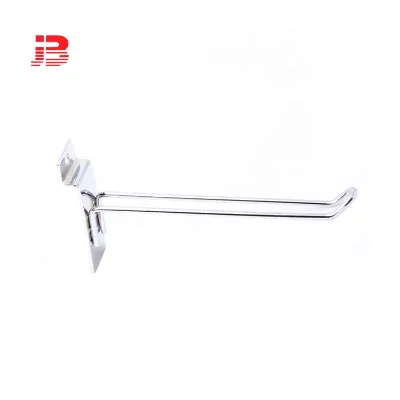


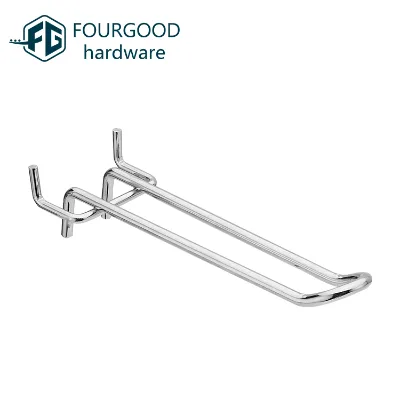
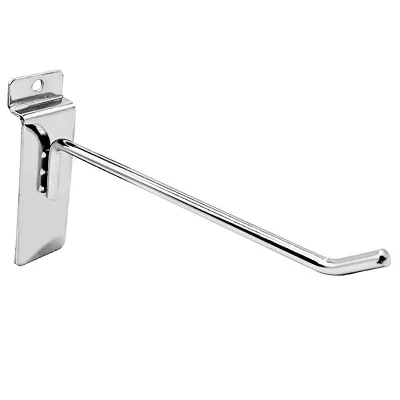


Comprehensive Sourcing Guide
Supermarket Display Hook Sourcing Guide
The supermarket display hook market offers a diverse range of metal solutions designed for retail environments, with observed listings featuring distinct variations in shape and application. Buyers encounter products categorized as either single or double hooks, often constructed from metal or stainless steel to ensure durability under heavy loads. These items are frequently marketed for both household and industrial usage, indicating their versatility in organizing inventory across different retail sectors. The observed product range includes specific models like TU-K55 and HBE-FS, suggesting a standardized yet customizable approach to manufacturing that caters to varied shelving requirements.
Procurement decisions must account for the specific finish and design capabilities available in the current supply chain. Many suppliers offer chrome, powder coating, or zinc surface treatments to enhance corrosion resistance and aesthetic appeal, which is critical for maintaining a clean store environment. Customization is a key feature, with options for OEM sizes and designs according to specific buyer requests. This flexibility allows retailers to align their display hardware with unique branding or spatial constraints, ensuring that the selected hooks integrate seamlessly into existing slatwall or industrial racking systems.
Product Scope and Observed Listing Signals
Buyers should verify the physical attributes of the hooks, noting that observed listings specify shapes such as single and double hooks with a standard silver or colored finish. The material composition is predominantly metal, with some listings explicitly identifying stainless steel as a premium option for environments requiring higher resistance to wear and tear. These products are typically sold as new items with a one-year warranty, providing a baseline assurance of quality for the initial procurement cycle. Understanding these core attributes helps in filtering suppliers who can meet the specific structural and aesthetic demands of a supermarket display setup.
Commercial signals in the market indicate a strong emphasis on cost efficiency and delivery speed, with some listings highlighting factory production costs and fast delivery times of 5 to 10 days. The minimum order quantities observed range from 100 to 5000 units, reflecting the scalability of the supply chain for both small boutique retailers and large supermarket chains. Packaging varies from bulk packs to export cartons, with some designs allowing for knock-down configurations to optimize shipping volume. These factors collectively influence the total landed cost and logistical planning required for a successful procurement campaign.
Technical Specifications to Verify
Technical due diligence requires confirming the precise model numbers and dimensional standards associated with the requested hooks. The market features specific model identifiers such as TU-K53, TU-K56, and HBE-HK, alongside standards like L50-400mm that define the functional length and capacity of the product. Buyers must ensure that the selected model aligns with the physical dimensions of their shelving units, as the product scope includes customizable sizes to accommodate specific spatial needs. Verifying these specifications prevents compatibility issues that could arise from mismatched hook lengths or mounting requirements.
Surface treatment and structural integrity are critical technical parameters that must be validated before finalizing an order. Listings indicate that finishes such as chrome, powder coating, or zinc plating are available, each offering different levels of protection against environmental factors. Additionally, the presence or absence of spring mechanisms and adjustability features should be confirmed, as some products are non-adjustable and non-spring loaded. These technical details directly impact the longevity and performance of the display hooks, making them essential criteria for ensuring the hardware performs reliably under the dynamic conditions of a retail floor.
Compliance and Safety Documentation
Compliance verification is essential when sourcing display hooks, as observed listings reference standards such as CE, ROHS, and TUV that indicate adherence to international safety and environmental regulations. Buyers must request documentation proving that the products meet these specific standards, particularly if the hooks are intended for markets with strict regulatory requirements regarding material safety and chemical composition. The presence of these certifications suggests that the manufacturer has undergone rigorous testing, but independent verification remains a prudent step to mitigate liability and ensure consumer safety.
In addition to regulatory standards, buyers should assess the warranty and quality assurance policies provided by the supplier. The observed market data includes a standard one-year warranty, which serves as a baseline commitment to product reliability. However, the specific terms of this warranty, including coverage for defects in material or workmanship, should be clearly defined in the contract. Ensuring that the supplier can provide valid proof of compliance and a robust warranty framework is crucial for maintaining operational continuity and protecting the retailer from potential product failures in the field.
Cost Drivers and Commercial Terms
Cost structures in the supermarket display hook market are influenced by material selection, surface treatment complexity, and the degree of customization required. Listings highlight factory production costs as a competitive advantage, suggesting that direct sourcing from manufacturers can yield significant savings compared to intermediaries. However, the final price is also driven by the choice of finish, such as chrome versus powder coating, and the specific model complexity, which can range from standard sizes to fully customized OEM designs. Understanding these variables allows buyers to negotiate effectively and optimize their budget without compromising on essential quality metrics.
Commercial terms regarding lead times and minimum order quantities are pivotal for supply chain planning and inventory management. The observed lead time of 5 to 10 days for fast delivery indicates a responsive supply chain, yet this may vary based on order volume and customization levels. Minimum order quantities typically range from 100 to 5000 units, requiring buyers to balance their immediate needs with the economic benefits of larger orders. Clear communication regarding these terms, including payment schedules and shipping arrangements, is necessary to avoid delays and ensure that the procurement process aligns with the retailer's operational timeline.
Supplier Qualification and Quality Control
Supplier qualification should focus on verifying the origin and manufacturing capabilities of the provider, as observed listings indicate production in regions such as Suzhou and Jiangsu, China. Buyers must confirm that the supplier has the capacity to deliver consistent quality across large batches, especially when dealing with customized orders that require specific design adaptations. The presence of OEM design capabilities suggests that the supplier can adapt to unique requirements, but this necessitates a robust quality control process to ensure that every unit meets the agreed-upon specifications and performance standards.
Quality control measures must be explicitly defined and enforced throughout the production cycle to prevent defects and ensure product consistency. Buyers should request evidence of the supplier's internal quality assurance protocols, including inspection procedures for surface treatments and structural integrity. The observation that products are not held in stock but are produced to order highlights the importance of real-time quality monitoring during the manufacturing phase. Establishing a clear framework for quality acceptance and rejection criteria is essential for maintaining the high standards expected in a retail environment.
Long-Term Procurement Checks
Long-term procurement success depends on establishing a reliable partnership with suppliers who can consistently meet evolving retail demands. Buyers should monitor the supplier's ability to maintain lead times and quality standards over multiple order cycles, as the market dynamics can shift rapidly. The observation of customizable sizes and designs indicates that the supplier must remain agile to accommodate future product line changes or store layout modifications. Building a relationship based on trust and consistent performance ensures that the supply chain remains resilient against potential disruptions.
Continuous evaluation of product performance and market trends is necessary to adapt procurement strategies over time. Buyers should regularly review the durability and aesthetic appeal of the hooks in actual use, gathering feedback from store staff and customers to identify any areas for improvement. The availability of different finishes and materials suggests that there is room for innovation and optimization in the product selection. By staying informed about industry developments and maintaining open communication with suppliers, retailers can ensure that their display solutions remain competitive and effective in the long term.
FAQs
What materials are used for supermarket display hooks?
Supermarket display hooks are primarily manufactured from metal and stainless steel. These materials ensure durability and strength for holding various retail items. The metal construction supports heavy loads while maintaining a sleek appearance. Stainless steel options provide additional resistance to corrosion and wear in high-traffic environments.
Can these hooks be customized for specific store layouts?
Yes, customization is available for supermarket display hooks to meet specific store requirements. Buyers can request OEM sizes and designs according to their unique needs. The hooks support various shapes, including single and double hook configurations. This flexibility allows retailers to optimize shelf space and product visibility effectively.
What surface treatments are applied to the hooks?
The hooks feature surface treatments such as chrome, powder coating, or zinc plating. These finishes enhance aesthetic appeal and provide protection against rust and corrosion. Chrome finishes offer a shiny, professional look suitable for modern retail displays. Powder coating adds durability and can be selected in various colors to match store branding.
What is the typical lead time for orders?
The typical lead time for supermarket display hook orders is five to ten days. This fast delivery time ensures that retailers can restock their shelves quickly. Orders are processed efficiently to meet urgent retail demands. Buyers should confirm specific timelines with suppliers to align with their inventory planning schedules.
Are the hooks suitable for both household and industrial use?
Yes, these hooks are designed for both household and industrial usage. Their robust metal construction makes them versatile for various hanging needs. In industrial settings, they support heavy-duty applications securely. For household use, they provide reliable organization for tools or kitchen items. This dual-purpose design offers great value for diverse customer bases.
What certifications do the hooks meet?
The hooks meet various industry standards including CE, ROHS, and TUV certifications. These certifications ensure compliance with safety and quality regulations. Buyers can trust the product's reliability for international markets. The standards verify that the materials and manufacturing processes adhere to strict guidelines for consumer safety.